The Problem Is, You’re Not Using Old Recipe Cards

Unfortunately, as someone who dreams of owning a home with some land, a clothesline of white linens swaying in the backyard and a chicken coop to pick fresh eggs from each day, I lack a core talent of a classic, successful homemaker— the ability to bake.
Chocolate chip cookies always turn out stale, cupcakes, flat. Nonetheless, each week I waste an exorbitant amount of time and ingredients to redeem my previous dessert fails, without luck. Because I spent years making gluten free muffins, cakes, and brownies, I got used to the flat, grainy taste of almond flour pastries. When at last I began making real sweets, I discovered baking is more than mixing wet and dry ingredients in a bowl— it is an art which requires more intentionality, more precision.
Still, it doesn’t quite turn out. I follow the online recipes perfectly, terrified that a small pocket of air in my measuring cup will ruin the end result, and yet, I am never satisfied with what I pull out of the oven. Forget the beautiful braided breads and three tiered cakes you see on Instagram, a simple banana bread recipe will take me out.

I think of my father’s sister, arguably one of the best bakers I know. Her talent rivals Buddy Valastro’s, though where he brings chaos and temper, she exudes grace and patience in the kitchen. Aunt Lyuda creates beautiful arrays of color and shape using just sugar, eggs, and flour, carefully arranging each piece of fondant as if it were made of glass.
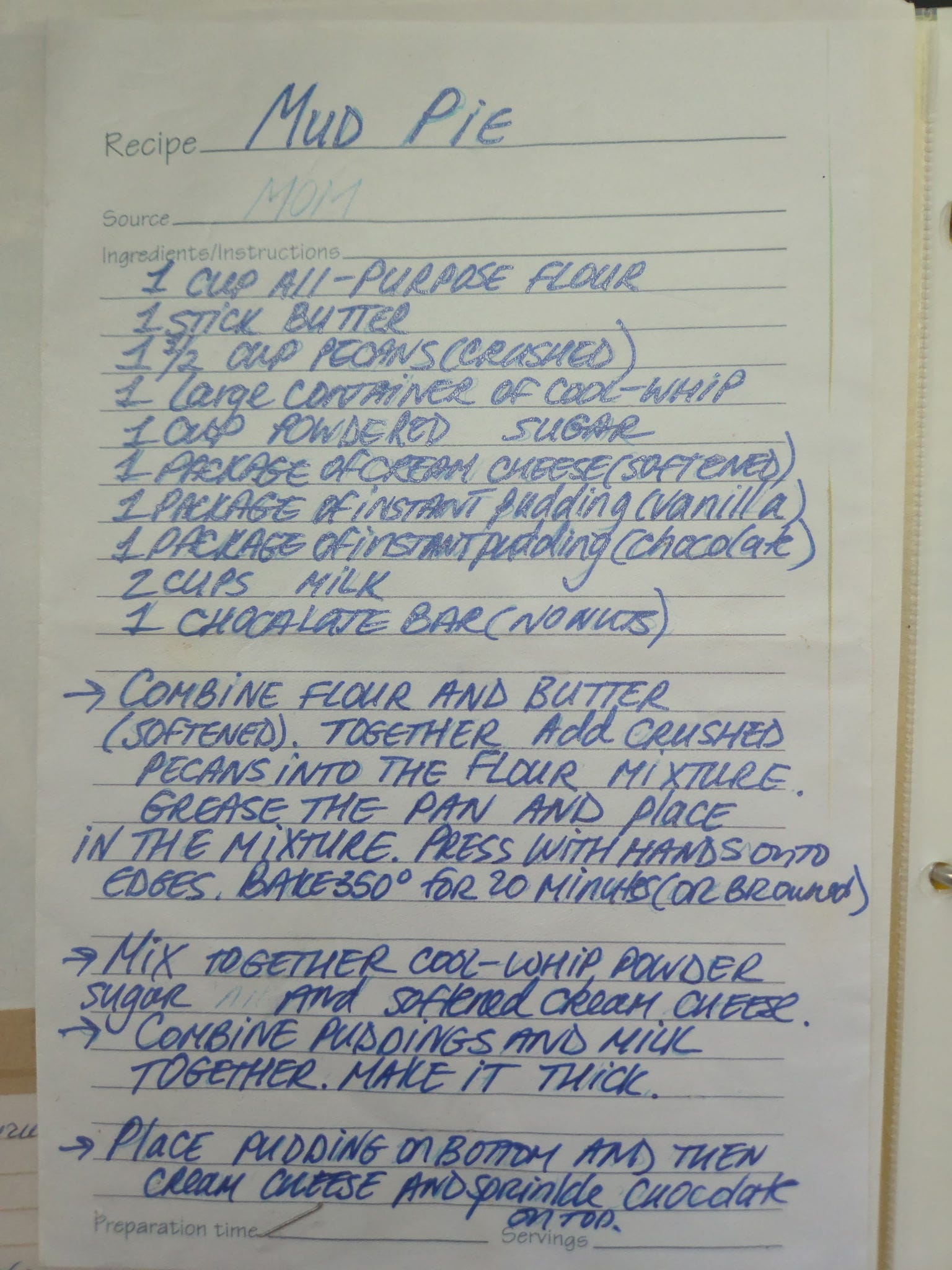
I was lucky enough to occasionally act as her sous chef as a little girl. At family gatherings, she pulled out a 3 ring binder filled with index cards and scrap pieces of notebook paper, each filled with ineligible scribbles made with a blue ballpoint pen and splotched stains from melted butter and cooking oil. My favorite creation was her mud pie, a dessert that may send your body into hypovolemic shock from the sugar intake, yet have you asking for another slice anyways.
From her, I learned that sometimes, the best recipes do not come from perfectly curated food blogs, but from the wrinkled index cards left behind by the people you once knew. Too often, Pinterest provides you with professionally taken photos of extraordinary cakes and pastries, yet one click on the photo leads you to an AI generated website with a recipe that was easily deduced from a computer.
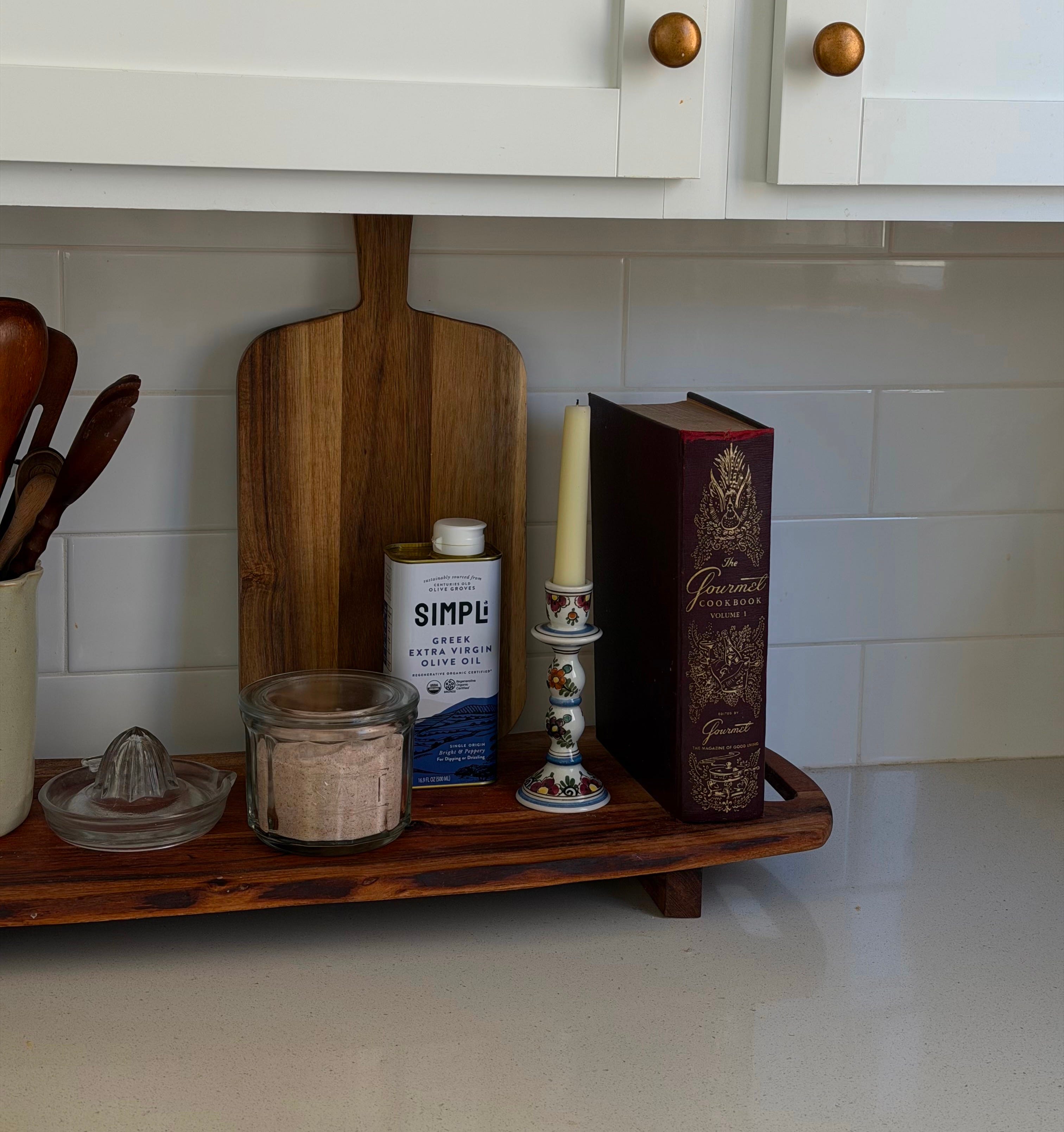
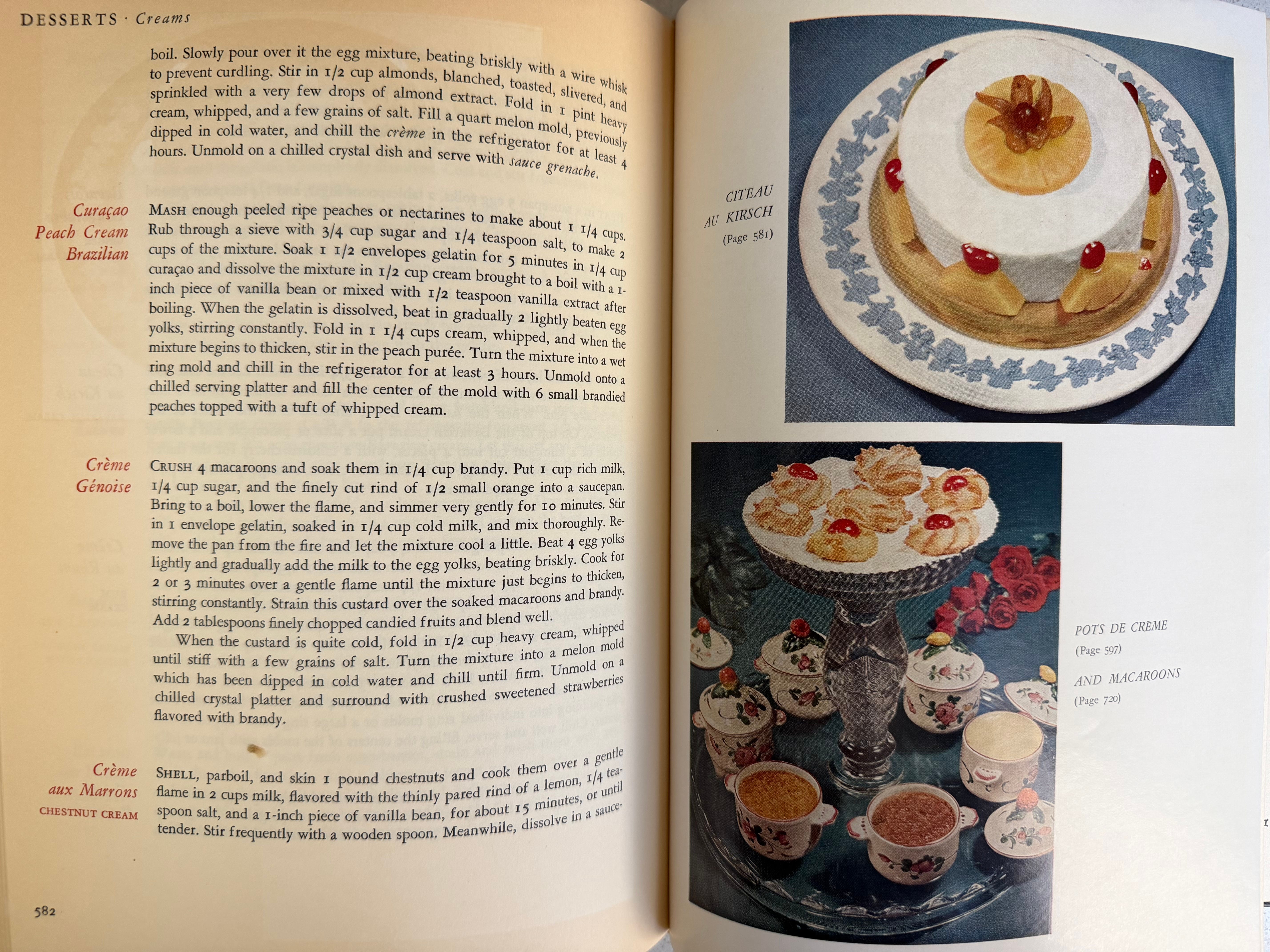
So, I decided to go back in time to find my sweet touch. The local antique store sells recipe cards in bunches, each filled with the ancient text style of cursive most people no longer use. I also found a recipe book written in 1959 which I use simultaneously as decor in my kitchen along with cooking from the instructions which fill the worn pages inside.
The funny thing is, old recipes are more vague than instructions you find on Google. They say things like “mix” instead of “mix for 3.5 minutes until the batter is smooth,” or “bake until done” instead of “bake for 45 minutes until the sides turn golden brown and you can stick a toothpick through the center.” The recipient of the recipe card often knew what to do from watching the giver, as cooking was a family affair. They studied as their mothers made the desserts hundreds of times, and the card served as more of a reminder than a step-by-step manual. Naturally this means they were doing something well if they did not need to be hand-held in order to make a simple loaf.
I’m only just beginning this new way of baking, yet somehow, my baking creations are getting better. I no longer have to wash down my brownies with a gallon of milk for them to taste edible.

Our ancestors are not the only ones who knew how to bake well— as Sporckly, Ryan Nordheimer, and Isabelle Heikens are all people I pine over for their amazing cooking talents. However, there is nothing better to refer to than the simple formulas passed down from the greats— Jacques Pépin, Julia Child, Ina Garten, and our grandmothers to make the beloved desserts we reminisce about today.